

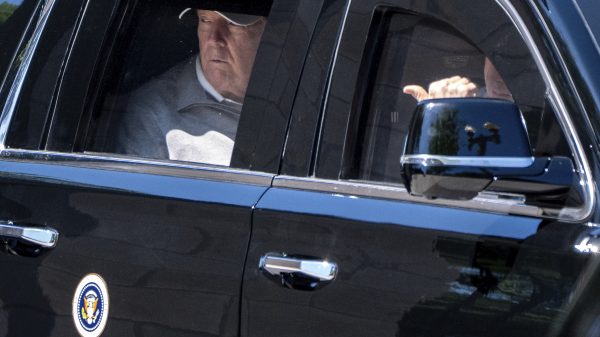






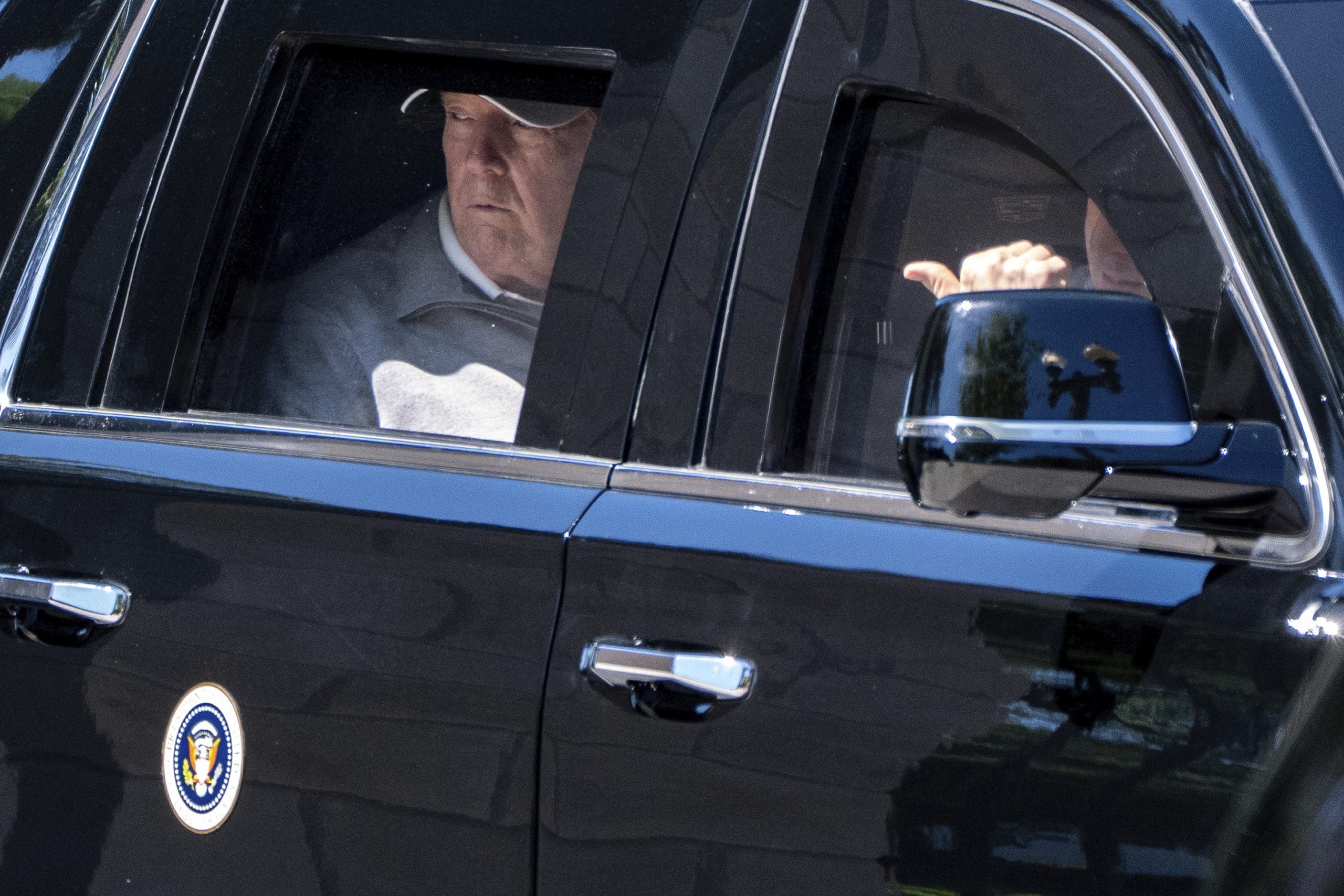
President Donald Trump is retreating from plans for a $1.8 billion “Anti-Weaponization Fund” after a fierce backlash from fellow Republicans, according to two people granted anonymity to describe the decision ahead of a public announcement.
White House officials communicated the decision to Republican leaders on Capitol Hill Monday, the people said.
The Justice Department, which was set to administer the fund, indicated Monday it would “abide by the Court’s ruling” and halt progress after a judge temporarily halted any payouts Friday. The statement otherwise defended the fund and did not say whether it could be revived later.
Earlier Monday, Trump met with Speaker Mike Johnson to discuss the controversial fund as part of a larger conversation about stalled legislation delivering some $70 billion in immigration enforcement funding for the remainder of Trump’s term.
During the meeting, Johnson raised concerns about the viability of the fund given the tenuous situation for the party-line funding bill in the Senate, according to one of the people and two others.
A White House spokesperson referred to the Justice Department statement. A spokesperson for Johnson did not respond to a request for comment.
It’s not immediately clear whether pledge to obey the court ruling will be enough to staunch the uproar among Republicans on Capitol Hill, however, as the administration’s immigration agenda hangs in the balance.
A planned Senate vote on the funding bill was abandoned last month after DOJ announced the creation of the fund, which could be used to pay Trump allies who had been prosecuted under prior administrations. Democrats pledged to force votes on amendments related to the fund, creating a serious political dilemma for congressional Republicans, and they are likely to continue pushing for restrictions to be written into law.
Axios first reported on Trump’s decision Monday.
Two federal judges raised questions about the DOJ fund Friday, with one Virginia-based district judge issuing a temporary restraining order preventing the Trump administration from disbursing any money from it. Separately, the Florida-based district judge who presided over the federal lawsuit filed by Trump that led to the fund’s creation launched an inquiry into the settlement deal.
Senate Majority Leader John Thune indicated the fund would have to be restricted in some way to unlock further progress on the GOP bill, saying in an interview it was a “safe bet” changes would be coming.
“The best way to handle it is if the administration decides to shut it down themselves,” he added in subsequent comments to reporters.
Alex Gangitano contributed to this report.