






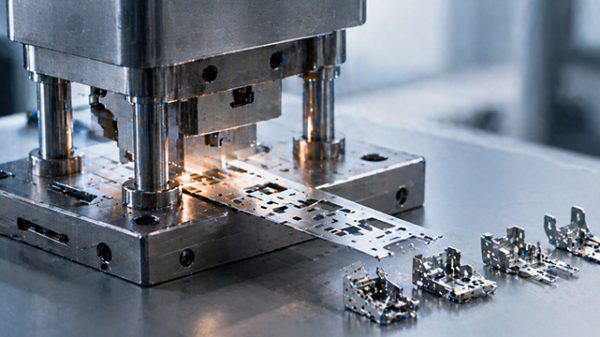




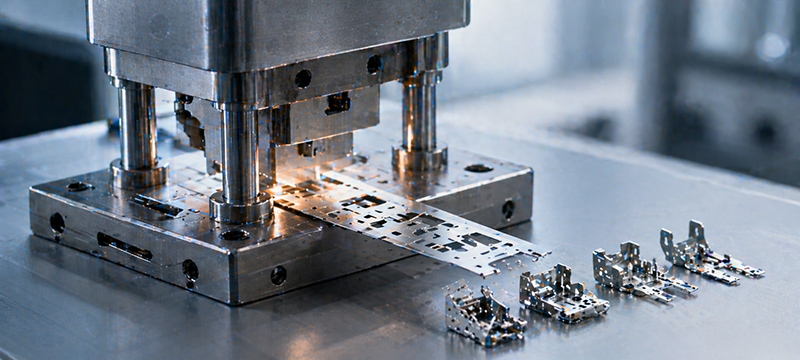
Custom metal stamping is an important process in modern manufacturing. This process provides shape specification for the metal part, which can be designed according to local industry conditions. The high level of accuracy in high-speed manufacturing is achieved through flexible tooling and advanced machinery. This process is oriented towards the efficient, economical production of components across many sectors, including the fast-growing Internet of Things (IoT) ecosystem where precision hardware supports connected devices and infrastructure.
Automotive Industry Solutions
Stamps play a vital part in the production of automobiles. Car makers need parts that adhere to high safety and design standards. Stipulate brackets, enclosures, and connectors to tight tolerances through custom stamping. They are integrated into the engines, frames, and interiors of these pieces.
With the rise of connected vehicles and telematics, stamped metal components are increasingly used in sensor housings, connectivity modules, and electronic control units (ECUs) that enable IoT-driven automotive applications. Vehicle makers use stamping to achieve mass production with uniformity and strength.
Electronics and Electrical Equipment
Metal parts play a critical role in making electronic devices work together and ensuring safety. Stamped metal contacts, terminals, and shielding cases are used in products ranging from computers to home appliances.
In IoT devices, these components are essential for ensuring reliable connectivity, electromagnetic shielding, and compact integration of sensors and communication modules. Custom metal stamping services enable the holy grail of electronics miniaturization, leading to smaller, more compact device designs.
Aerospace and Aviation Components
Aerospace manufacturing requires lightweight, durable parts. These high strength-to-weight ratios are why stamped metal fits these needs well. Things like brackets, fasteners, and enclosures often come via custom stamping.
As aircraft systems become increasingly connected, stamped components are also used in embedded electronics and IoT-enabled monitoring systems for predictive maintenance and real-time diagnostics.
Medical Device Manufacturing
Both tools and devices used in the medical field need precision at each stage. Surgical instruments and diagnostic machines often consist of stamped metal parts.
With the expansion of connected healthcare and remote patient monitoring, stamped components are also integrated into IoT-enabled medical devices such as wearable sensors and smart diagnostic equipment. The materials used for medical stamping have to be corrosion-resistant and compatible with sterilization.
Construction and Architectural Uses
Parts made using stamping are also used in buildings and infrastructure projects. Brackets, plates, and connectors support structural stability.
In smart buildings and IoT-enabled infrastructure, stamped components contribute to sensor mounting systems, control panels, and connected energy management equipment. Production efficiency also means that a big project is more likely to stay on time and on budget.
Consumer Goods and Appliances
Stamped metal parts are found in everything from kitchen appliances to power tools.
As consumer products become increasingly connected, stamped components are used in smart home devices, enabling compact design and reliable integration of connectivity features such as Wi-Fi, Bluetooth, or Zigbee modules. This process is advantageous for items such as housing, hinges, and mounting brackets.
Telecommunications Equipment
Telecommunications devices require precision and reliability in their connections and enclosures.
Stamped metal parts play a key role in IoT connectivity infrastructure, including gateways, routers, and base station equipment, where shielding and structural integrity are critical for signal performance. High-volume production helps telecom infrastructure scale to support massive IoT deployments globally.
Agricultural Machinery and Equipment
Those metal parts get heavily abused and are used in farm equipment, so they are subject to harsh conditions.
With the adoption of precision agriculture and IoT-based monitoring systems, stamped components are also used in sensor housings and connected machinery that collect real-time data on soil, weather, and equipment performance. This provides manufacturers with the flexibility to fulfill a wide range of design requirements.
Conclusion
The custom metal stamping process is a staple in many industries. This allows manufacturers to deliver accuracy and adapt to changing needs.
As IoT adoption accelerates across sectors, the demand for high-precision, scalable, and cost-effective hardware components continues to grow, reinforcing the strategic role of metal stamping in enabling connected systems. These stamped metal components play a key role in safety, efficiency, and innovation, both in traditional manufacturing and in emerging IoT-driven applications.
The post Common Applications for Custom Metal Stamping in Manufacturing appeared first on IoT Business News.