



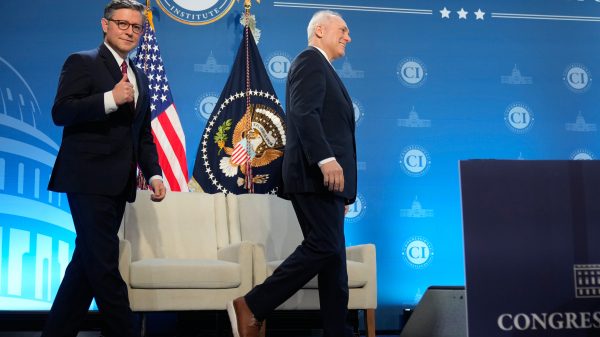







House Republicans discussed plans for a second party-line megabill during their policy retreat in Florida this past week, and now GOP senators want in on the action.
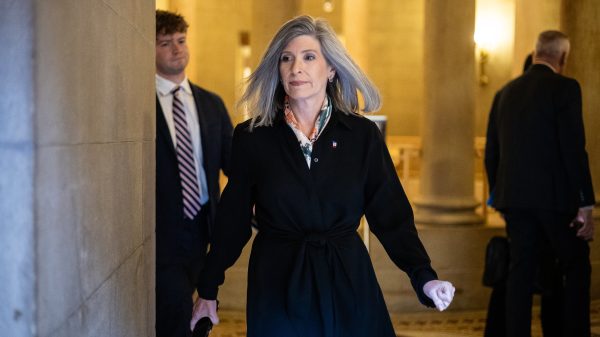
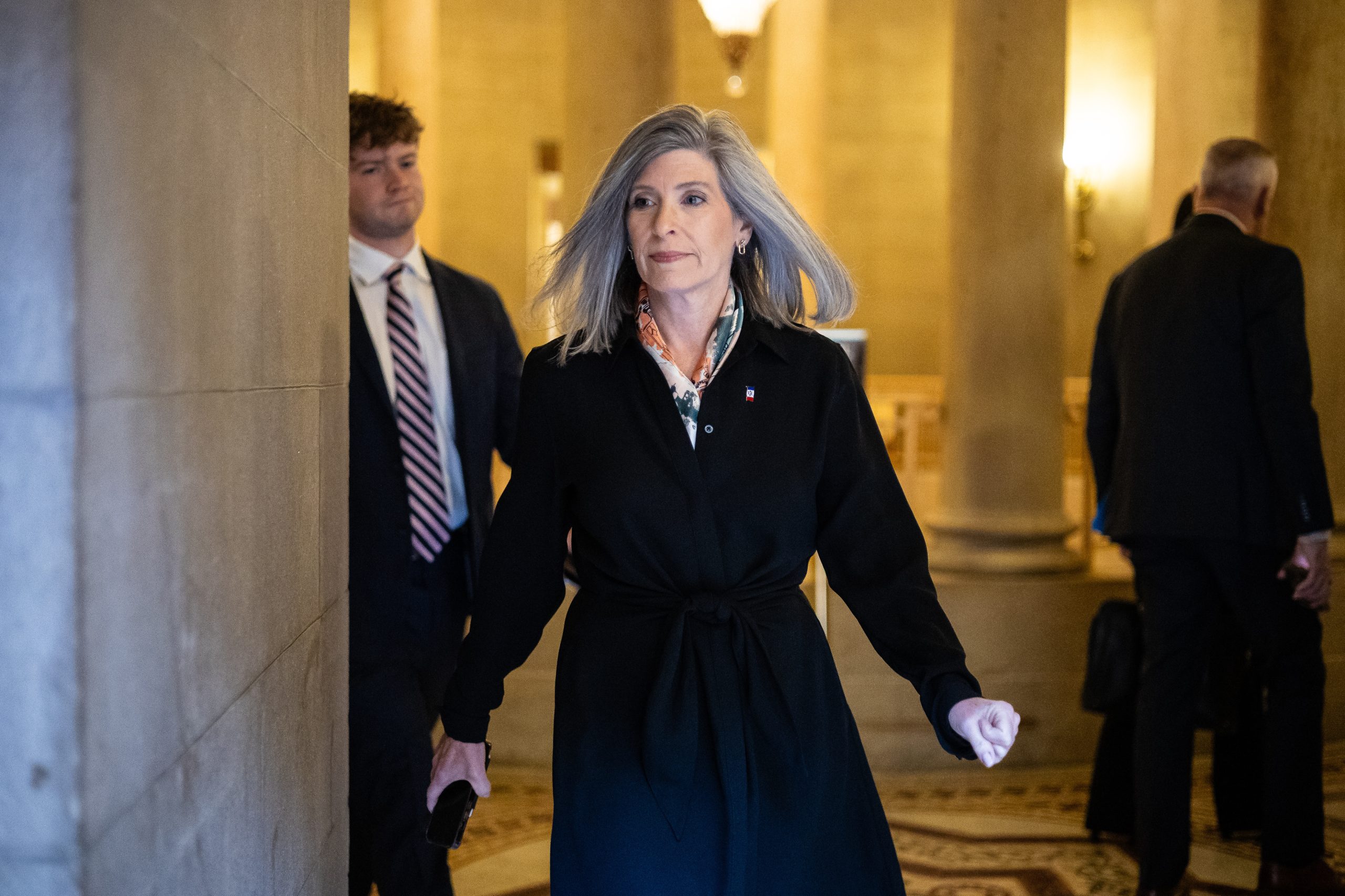
Sen. Joni Ernst (R-Iowa), in her capacity as head of the Senate DOGE Caucus, sent a letter to Speaker Mike Johnson and House Budget Chair Jodey Arrington (R-Texas) outlining what she says are $93.5 billion in savings that could be incorporated into a filibuster-skirting budget reconciliation bill.
“Republicans should seize every opportunity to advance policies that lower prices, cut taxes, and lift burdensome regulations off the backs of American families while we hold the White House and majorities in both chambers of Congress,” Ernst wrote in the letter, shared first with POLITICO. “This moment will not last forever.”
Her list includes proposals to claw back unspent COVID-era funds; rescind more of former President Joe Biden’s climate initiatives; impose stiffer penalties for states with high rates of inaccurate SNAP food aid payments; implement a new $250 fee for new electric vehicle owners; and create more accountability for government charge cards.
“This is not an exhaustive list, and I stand ready to help you pass another transformational reconciliation bill,” Ernst said.
The DOGE Caucus, created to mirror the work of the now largely defunct Department of Government Efficiency formerly led by tech billionaire Elon Musk, has little tangible power on Capitol Hill. But Ernst’s appeal signals the extent to which jockeying among Republicans has begun as discussions accelerate around a second megabill — even if there’s scant evidence congressional Republicans can pull one off.
Johnson told House Republicans in a closed-door session closing out the retreat Wednesday that he remains intent on pursuing a new reconciliation package to follow on last year’s “big beautiful bill” focused largely on tax cuts. The legislation could theoretically tackle some cost-of-living issues, but the speaker didn’t offer any specific policies that would be incorporated or a timeline for advancing it, according to four people in the room granted anonymity to describe the private meeting.
Some senior Republicans present privately warned they don’t have much time left for such a big legislative lift, and their razor-thin and frequently fractious House majority could make it difficult to find necessary consensus around a final legislative product.