










Health insurance CEOs testifying before Congress about whether they’re to blame for soaring health care costs have a plan: pass the buck.
Five CEOs of major insurers will make the case that the health care premiums they set are rising because of prices charged by other health care players — like hospitals and drugmakers — according to their prepared testimony.
The insurer blueprint comes as the industry is under immense public and political pressure to address rising health care costs, especially after enhanced Affordable Care Act subsidies expired last year, sending Obamacare premiums skyrocketing for millions.
The well-heeled CEOs of some of America’s biggest insurance companies aren’t used to groveling, but want to keep lawmakers on their side and avoid any viral moment under cross-examination. The questioning could be tough, considering President Donald Trump called their firms “money sucking Insurance Companies” this month on Truth Social.
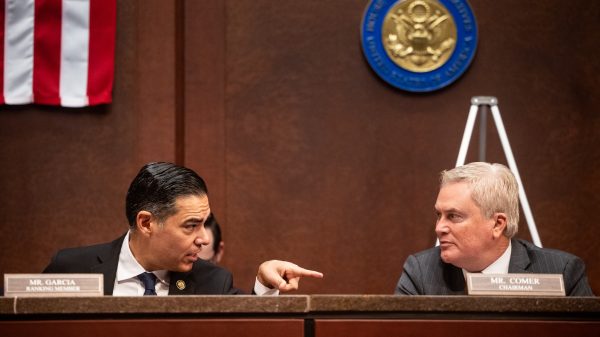
The CEOs will testify before the Energy and Commerce Health Subcommittee Thursday morning, before facing the Ways and Means panel later in the day. In their testimonies, they’ll attempt to reverse the narrative that they’re at fault for how unaffordable American health care has become.
“The cost of health insurance is driven by the cost of health care. It is a symptom, not a cause,” said UnitedHealth Group CEO Stephen Hemsley in his prepared testimony. “Premium rates are based on two key factors: how much care is used and how much is charged for that care. When the price of care goes up and care activity increases, the cost of health coverage necessarily follows.”
Whether the administration buys that is a different story.
Trump has applied pressure, calling on the companies to slash prices and saying he’d convene the CEOs to secure commitments similar to ones he’s received from the pharmaceutical industry to reduce drug prices.
In their testimony, the CEOs will highlight affordability-related policies they hope Congress will take up — from reforming how providers are paid to digitizing Americans’ health records. The insurers plan to emphasize steps they’ve taken, including commitments to the Trump administration last year to speed up their processes for approving treatments.
Hemsley, CEO of UnitedHealth Group, the nation’s largest insurer, pledged in his testimony to return any profits the company makes on Obamacare plans in 2026 to customers.
“Our message as an industry is that we’re advocates for affordability,” Mike Tuffin, CEO of health insurance trade group AHIP, told POLITICO. “We’re the only part of the system that gets up every day working to lower costs. We’re doing everything we can to shield consumers from high and rising health care costs.”
Elevance Health CEO Gail Boudreaux plans to point out that hospital care, doctor services and prescription drugs “have been the largest contributors” to rising U.S. health care spending, which grew 7.2 percent to $5.3 trillion in 2024. Cigna CEO David Cordani will highlight data showing hospital prices surged in recent decades — a trend he says has been compounded by hospital acquisitions and private-equity ownership of provider practices.
Some of the executives plan to compare insurers’ thin profit margins to other health care industries’. Insurer profit margins were about 1.8 percent in 2025, according to the National Association of Insurance Commissioners. Drug companies’ margins are between 20 to 40 percent, Cordani plans to point out.
Hospitals and drug companies have long made the case that insurers aren’t so innocent. The American Hospital Association, in a statement submitted ahead of the hearing, said “actions by many commercial insurers erect barriers that make it more difficult for patients to receive timely access to needed medical care.”