






With the midterms bearing down on them, Republicans are facing a nasty intraparty fight early next year over their legislative agenda: Should they attempt to pass a party-line bill focused on health care after failing to address expiring insurance subsidies?
GOP factions have been divided for months about the prospect of a second reconciliation bill. Some see it as the party’s last, best chance to put wins on the board before Election Day, while others believe it is a recipe for failure given the small Republican majorities in the House and Senate and major internal divides over health policy.
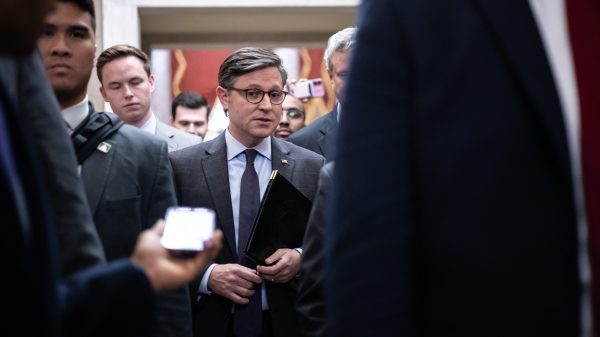
But Speaker Mike Johnson is publicly leaning into the possibility as he tries to appease hard-liners who wanted the House GOP to go much farther than it did this month in pushing a conservative health care overhaul.
Some rank-and-file conservatives in the House and Senate are privately discussing a potential centerpiece for a second reconciliation bill: using tariff revenues to send taxpayers cash to address rising health care costs after enhanced Obamacare subsidies expire Dec. 31, according to three people granted anonymity to describe the talks.
The pressure from the right is threatening to outweigh skepticism from many senior Republicans who are deeply wary about moving forward. At least one key Republican is publicly questioning whether the GOP can muster the unity necessary to navigate the reconciliation process a second time after last summer’s struggle to enact the tax-cuts-focused megabill.
“I don’t see a path of a second reconciliation ever passing,” said Rep. Jason Smith of Missouri, who as Ways and Means Committee chair oversees tax policy and some health care matters.
Furthermore, nearly every other House chair has shared similar doubts in private conversations with GOP leaders and senior Republicans, according to three other people granted anonymity to discuss internal deliberations.
The most prominent voices in the senior GOP ranks in either chamber arguing for a fresh push are the chairs of the Budget committees. They hold powerful roles as gatekeepers for the reconciliation process and get to define the fiscal parameters for legislation that could skirt a Senate Democratic filibuster and pass without bipartisan cooperation.
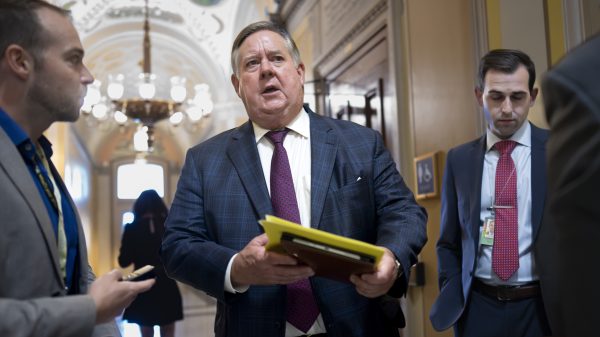
“We need to actually follow through on the policies we’ve been popping off about for years that we believe will actually help everybody,” said House Budget Chair Jodey Arrington (R-Texas), who recently announced his retirement. “I feel like there’s a critical mass to start that process.”
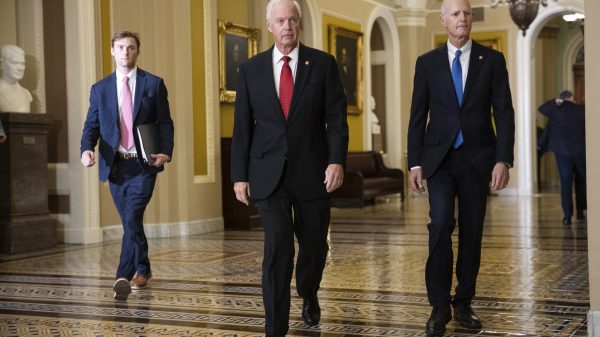
Senate Budget Chair Lindsey Graham (R-S.C.) has been similarly bullish, pushing alongside members of his committee to advance a reconciliation blueprint early next year. He recently told Semafor he wants the bill to focus on health care, military funding and immigration enforcement.
Other committee chairs, who have to actually craft the bills sketched out in the budget blueprint, aren’t as convinced. Many GOP health initiatives, they believe, won’t comply with the strict fiscal rules governing reconciliation — a point they’ve made privately to senators pushing for a second bill. And some members of leadership are cool to the idea of tapping tariff revenue for anything other than deficit reduction.
That’s not to mention the pushback coming from vulnerable House Republicans, many of whom had to take big political risks in backing the summer megabill, which included deep cuts to Medicaid spending. They are now wary of engaging in another divisive health care debate.
In one heated closed-door meeting this month where Johnson was present, Rep. Mike Lawler (R-N.Y.) shot down talk of another GOP party-line bill, saying it would “never” happen. Even one House Republican who supports the idea acknowledged it would be “like having a baby” — both in terms of the level of political pain and the laborious process.
But there are plenty of other Republicans in the House rank-and-file who believe their party needs to do more to address high health care costs and other cost-of-living issues with a conservative stamp — and many of them were not around in 2017, when the last big GOP health care push ran aground.
As moderates tried to force a floor vote on a bipartisan extension of the Obamacare subsidies, House GOP hard-liners privately pressured party leaders for assurances that a party-line bill focused on health care would move early next year. As those talks were happening last week, the Republican Study Committee — an influential group of nearly 200 House conservatives — discussed the idea of a second party-line bill during a closed-door lunch.
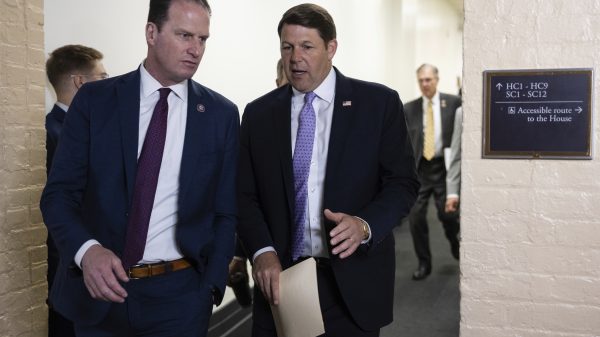
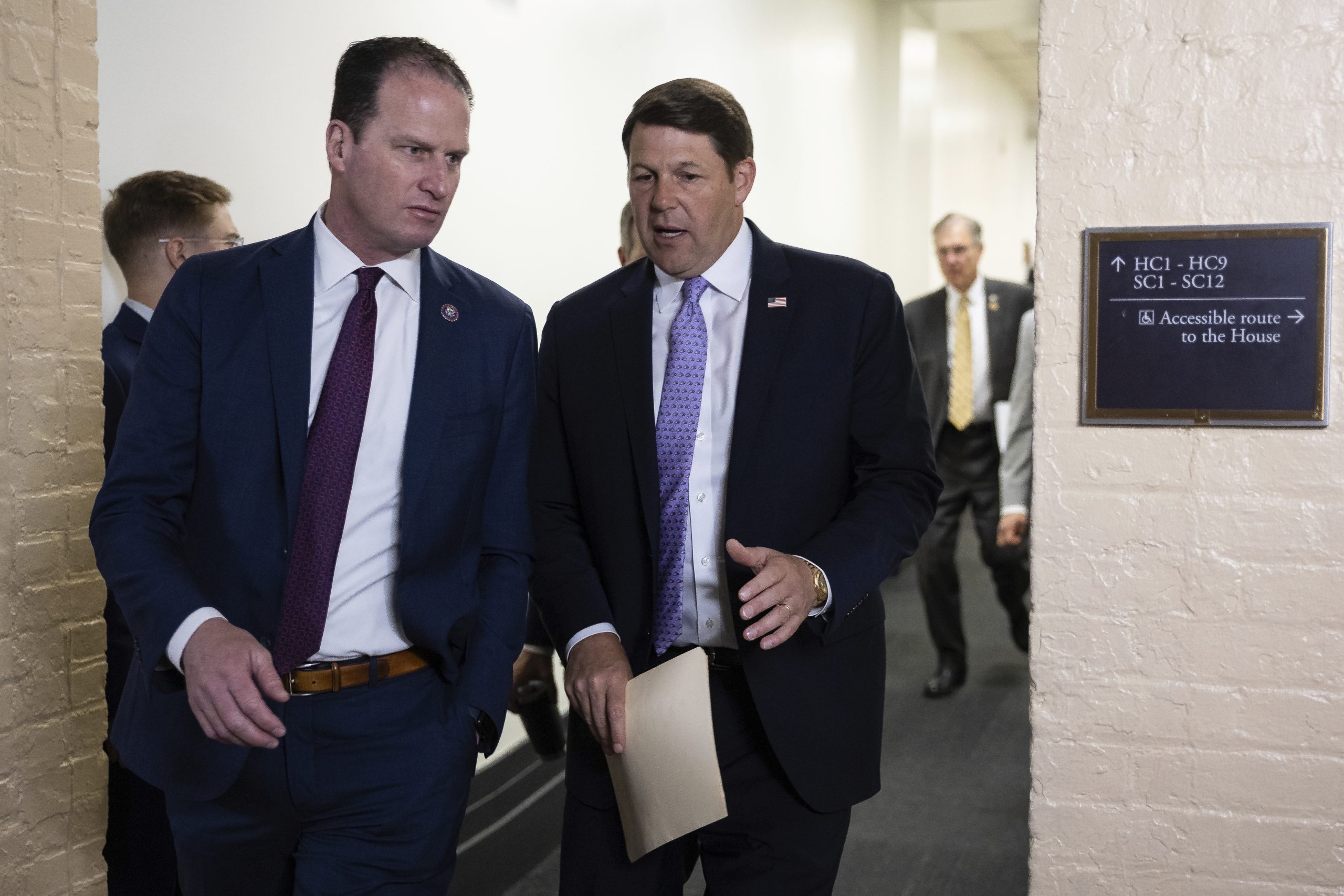
According to three people granted anonymity to discuss the meeting, the group’s chair, Rep. August Pfluger of Texas, pitched a possible list of items for a second reconciliation package focused on affordability concerns. Pfluger and other senior RSC members are pushing to include an expansion of health savings accounts that GOP leaders left out of the narrow health care bill the House recently passed.
“I don’t think it has to be divisive,” Pfluger said in an interview last week. “Let’s come together and coalesce around policy that works.”
He added that “the trick” is figuring out what President Donald Trump is interested in pushing forward. His top political aide, White House deputy chief of staff James Blair, recently said the administration was open to a second reconciliation bill to pursue affordability matters.
There is recent precedent for a major reconciliation bill passing late in a midterm year: Democrats under former President Joe Biden struggled through for months of rollercoaster internal negotiations before Sen. Joe Manchin of West Virginia finally agreed to get on board. The Inflation Reduction Act passed just three months before Election Day, though Democrats had a wider margin to work with in the House.
But top GOP leaders have been treading carefully. Senate Majority Leader John Thune told reporters this month that reconciliation is “always hard, but it’s an option.”
“You don’t just do reconciliation for the heck of it, you’ve got to have, you know, a specific purpose,” he added. “That purpose may start getting some traction — we’ll see.”
House Majority Leader Steve Scalise coordinated early talks around a possible second reconciliation package this fall. But GOP chairs came up with only a handful of policies to include, mostly submitting ideas that had already been left out of the earlier megabill. In an interview last week, Scalise said Republicans would return in January with “a very full agenda … but reconciliation is one thing we’re going to try to build.”
“We’re trying to see if there’s consensus,” he added. “We obviously would like to get one.”
Jordain Carney contributed to this report.