










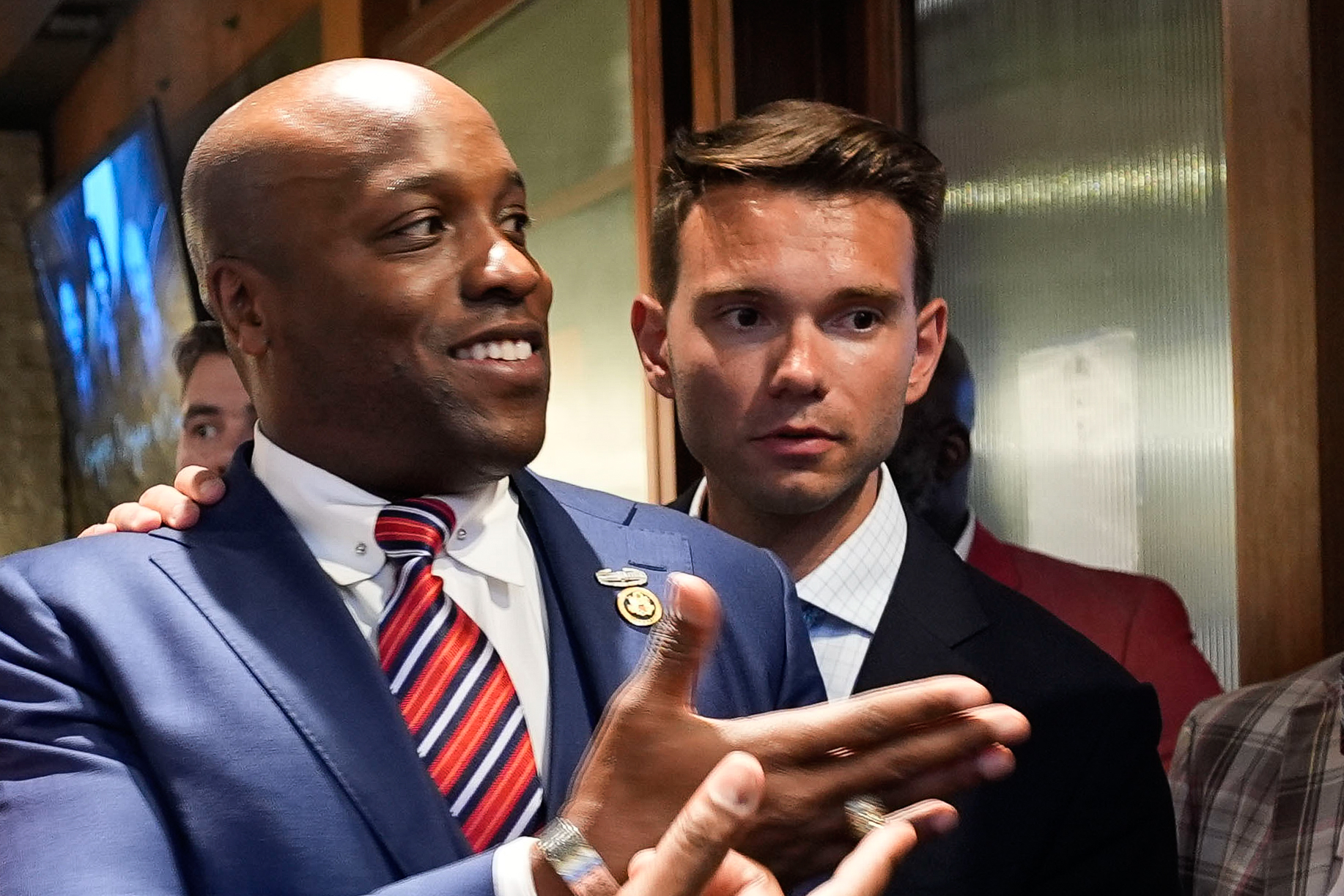
The travel expenses of a Republican campaign manager in the crowded Texas Senate race have raised eyebrows for their seemingly exorbitant amount.
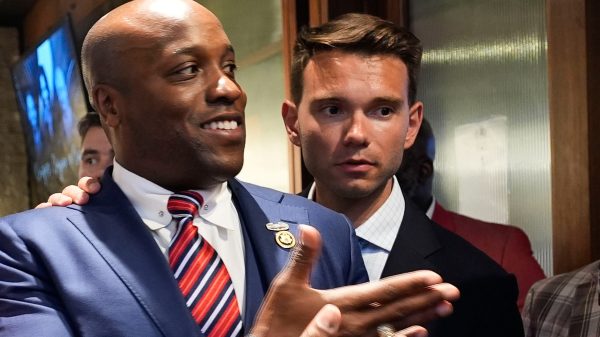
James Kyrkanides, the campaign manager for Senate candidate Wesley Hunt, charged taxpayers more than $44,000 in hotel expenses over three years as Hunt’s congressional chief of staff. The charges average $457 per night, four times the national standard rate set by General Services Administration rate for many federal employees, according to a POLITICO analysis of House expense records.
That total accrued over 97 nights during 49 different stays. For instance, on Jan. 3, 2025, when Congress was being sworn in, Kyrkanides expensed a one-night hotel bill of $805. For May 20 to 22, 2024, he submitted a hotel bill of $1,692. And for a stay starting Aug. 6, 2024, he expensed two nights for a total of $1,321.
The expense records do not require the hotels or the city in which they’re located to be listed, and Kyrakanides declined to name the hotels.
Kyrkanides said all of the expenses were reviewed and approved by the House finance office, which handles disbursements of member money. He said less than half of the money that was reimbursed went to him personally and the remainder covered travel expenses for other Hunt staffers. He declined to provide receipts to verify that claim.
Kyrkanides confirmed Washington was his primary workplace during that period of time. He said a number of the reimbursements were in Hunt’s hometown of Houston, where the GSA’s recommended federal lodging rate is $128 per night. Krykanides said expenses also included stays in Washington, San Diego and New York, which have had average GSA rates of $234, $205 and $277 over the last year, respectively. Krykanides said the hotel stays in those cities were expensed on behalf of Hunt staffers for work travel, including a district director conference in San Diego and communications staffers going to New York for Fox News interviews related to policy.
Kyrkanides also noted that costs of food, beverage and parking aren’t included in the GSA rates, but his reimbursements folded in those items. He said subtracting them brings his average nightly lodging costs, excluding taxes, to $269. He also pointed to GSA policy that allows federal employees to be reimbursed up to 300 percent of the recommended rate if no other rooms are available.
Asked for comment about the expenses, a Hunt spokesperson said in a statement: “All transactions in this office are approved by the chief administrative officer, made public, and carried out in accordance with the highest ethical guidelines.”
A spokesperson for the chief administrative officer which oversees House finance declined to comment.
House members are given broad discretion in how they use their office budget. But some members and committees abide by GSA hotel rates, which serve as a reference point for the federal government. Senate staffers have to limit their hotel expenses to $165 per night but can obtain waivers for additional reimbursement in line with GSA hotel rates.
Hunt is now in a fiercely contested Senate primary against Sen. John Cornyn and Texas Attorney General Ken Paxton and, according to a RealClearPolitics average of recent polls, is running in third place. Trump hasn’t weighed in with an endorsement and has no plans to endorse in the race.
When briefed about the expenses, Donald Sherman, the president and CEO of Citizens for Responsibility and Ethics in Washington, said the pattern of expenses appeared to be “excessive” and that instances like these show “there needs to be more robust independent oversight of Congress and how it spends taxpayer dollars.”
“The expenses themselves certainly suggest that there should be more scrutiny on Congressman Hunt and his staff about how they are spending taxpayer funds,” he said in an interview. “Costs aren’t getting real oversight. People [who approve such expenses] are simply checking boxes and giving deference to members.”