










Eleanor Holmes Norton, Washington’s nonvoting delegate to the House for more than three decades, will not seek a 19th term in office.
Norton’s campaign on Sunday filed a termination notice with the Federal Election Commission, essentially signaling an end to her campaign. She can still file for reelection in the future.
Norton’s spokesperson did not respond to a request for comment. NOTUS first reported on the termination filing.
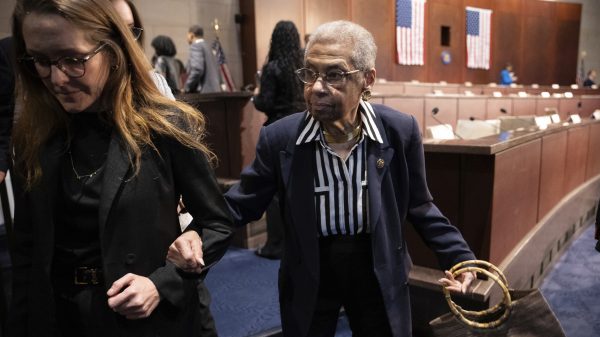
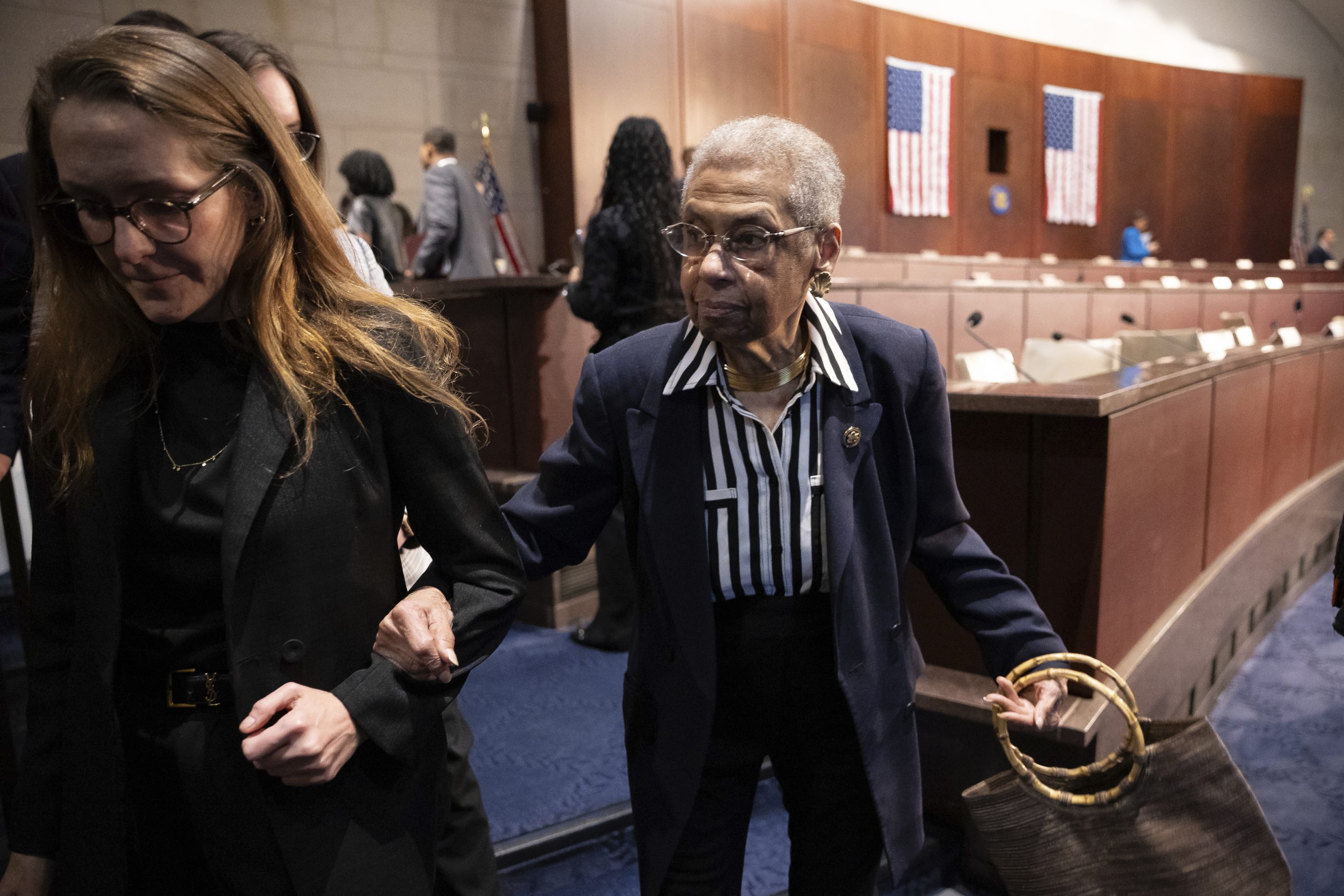
Norton, 88, has faced mounting questions about her ability to serve in office as she retreated from most public appearances and showed unmistakable signs of frailty when she did speak.
Her fitness came under particular scrutiny last summer when she remained largely out of sight as President Donald Trump announced a move to surge National Guard and federal law enforcement into Washington and take over its police department against the will of city leaders.
While Norton insisted for months afterward she would in fact run again, reelection appeared increasingly untenable. Prominent Democratic strategist Donna Brazile, her former top aide, publicly called on her to retire, and Norton raised scant funds for her campaign.
What is already a crowded field of challengers to the longtime delegate could balloon even further. The election is likely to be decided in the Democratic primary election in a city that hasn’t given a Republican presidential nominee more than 10 percent of the vote since 1988.
Among the Democrats already vying to succeed her are D.C. Council members Brooke Pinto and Robert White, political strategist Kinney Zalesne and former Norton aide Trent Holbrook.
One of only two people who have represented D.C. in Congress since the delegate position was established in 1970, Norton made her reputation as a civil rights activist and pioneering attorney for women’s rights. Elected to succeed Walter Fauntroy in 1990, she became known on Capitol Hill as a fierce defender of the city’s self-rule, helping to orchestrate a financial rescue for the city in the 1990s while fending off efforts by congressional Republicans to assert more control over the city.
In the later decades of her career, she worked to build support for more autonomy for the city government and to secure congressional voting rights for D.C. residents. A bipartisan bid to secure D.C. a full House vote evaporated in 2009, and Norton turned to pushing statehood efforts.
The House voted to support D.C. statehood in 2020 and 2021, but the effort has not otherwise advanced.
Decades of improving conditions in the city had led to an increasingly hands-off approach from federal overseers. But that changed in recent years after a post-pandemic surge in crime and Trump’s reelection in 2024 — posing the greatest threat to the city’s autonomy since it was granted partial home rule in 1973.
Norton was largely absent from the public eye during Trump’s takeover, issuing statements and news releases but not granting interviews or appearing alongside municipal leaders who railed against the Trump administration. When she has made speeches on Capitol Hill, she has read from prepared remarks with halting delivery and with aides close beside her.
In an episode that raised further questions about her fitness for reelection, Norton was scammed out of thousands of dollars by fraudsters last year. She was described as having “early stages of dementia” in an internal police report that also described a longtime aide as her caretaker with power of attorney.