






The Justice Department’s move to investigate Federal Reserve Chair Jerome Powell is shaping up to be one of the Trump administration’s most unpopular actions yet among Capitol Hill Republicans.
— Republicans recoil: The DOJ probe into Powell’s June hearing testimony is causing heartburn in the Senate, which controls the fate of his successor. After Sen. Thom Tillis (R-N.C.) threatened Sunday to vote against any nominee until the criminal investigation is resolved, other Senate Banking Republicans like Sens. Kevin Cramer (N.D.) and Dave McCormick (Pa.) joined in to signal their disapproval Monday.
Cramer is no fan of Powell and called him a “bad” Fed chair. But he added, “I do not believe, however, that he is a criminal.”
Few Republicans are openly cheering the decision. Rep. Anna Paulina Luna (R-Fla.), who referred perjury allegations against Powell to the DOJ last summer, is the exception. Even other hard-liners who have long wanted to see Powell gone declined to comment on whether the probe was justified.
“That’s way outside my jurisdiction,” House Freedom Caucus Chair Andy Harris (R-Md.) told POLITICO when asked if the probe was warranted.
— A notable silence: Despite the critiques from members of his committee, Banking Chair Tim Scott has stayed mum. It’s not unusual for Scott, who declines hallway interviews, to stay quiet. But it’s conspicuous as others in the GOP speak up on behalf of the Fed’s independence.
Scott’s silence contrasts with public statements from the likes of Senate Majority Leader John Thune, who called for the probe to be “resolved quickly,” and House Financial Services Chair French Hill (R-Ark.), who said it “creates an unnecessary distraction” that “could undermine this and future Administrations’ ability to make sound monetary policy decisions.”
Asked if the investigation would make it hard to confirm the next Fed leader, Thune acknowledged “it could make it challenging.”
— Powell’s staying power: At this point, it seems almost certain Powell will stay on until his term as chair ends in May. Many expect him to leave after that, forgoing his longer term as a rank-and-file Fed governor.
But that probability has dropped amid the DOJ’s probe, and Powell could stick around. And the likelihood that he might ever be prosecuted for his June testimony is remote.
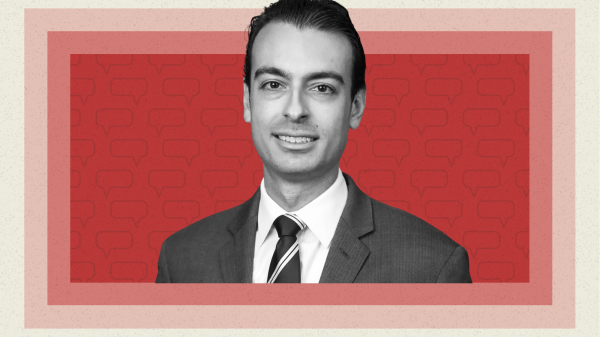
“The kind of things we’re talking about here is whether Powell lied when he said there were ‘no rooftop gardens’ when there will in fact be ‘vegetated roof spaces,’” Victoria Guida writes in her latest column. “Of course, the investigation might also cover the cost overruns themselves … but mismanaging a project is not in and of itself a crime.”
What else we’re watching:
— House math: Speaker Mike Johnson’s margins in the House could pose a problem for party-line action this week, including passing the rule teeing up a final vote on the bundled State-Foreign Operations and Financial Services funding bills.
The recent passing of Rep. Doug LaMalfa (R-Calif.) brought the balance of the House to 218-213. But with Rep. Jim Baird (R-Ind.) recovering from a car accident and Rep. Derrick Van Orden (R-Wis.) expected to be out indefinitely as his wife undergoes surgery, Johnson is facing some harrowing math.
— Dem joins GOP stock trading bill: The new GOP-leadership-backed bill to ban lawmaker stock buying has its first Democratic co-sponsor, New York Rep. Josh Riley. The bill, drafted by House Administration Chair Bryan Steil (R-Wis.), now has 71 GOP co-sponsors.
The legislation is on track for a Wednesday morning markup. Senior Democrats who oppose the bill — which allows lawmakers to hold onto the stocks they already own — say they’ll try to force changes.
— Health care talks shape up: The bipartisan group of senators working to craft an agreement to revive the expired Affordable Care Act subsidies is honing in on a potential compromise around abortion language. According to a Senate GOP aide briefed on the group’s discussions and another person granted anonymity to describe the private talks, the lawmakers are considering increasing penalties and audits for insurance plans to ensure funds for abortion are properly segregated from funds for nonabortion health services.
Meredith Lee Hill, Jordain Carney and Benjamin Guggenheim contributed to this report.